
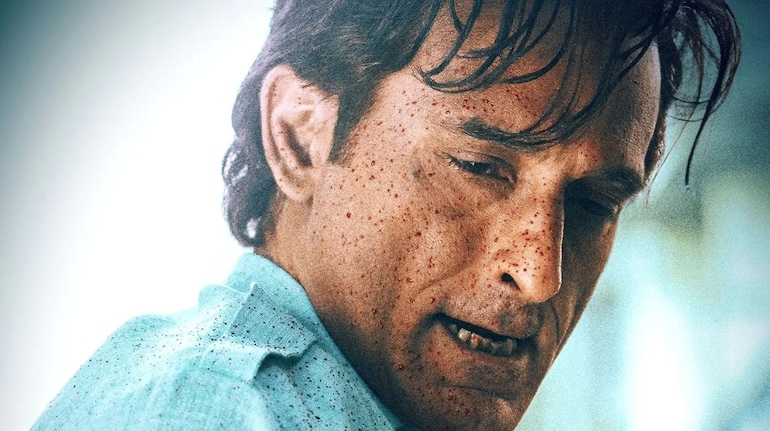
There was a long phase where Akshaye Khanna felt familiar but distant. Audiences knew his face, respected his work, yet rarely paused to talk about him. He existed in the background of cinema conversations. Always solid. Never loud. Then Dhurandhar happened, and suddenly a generation that had barely paid attention stopped scrolling.
The shift did not come from nostalgia or sympathy. It came from curiosity. People who had never followed his career were seeing him for the first time without baggage. No comparisons. No expectations. Just presence. Dhurandhar did not introduce Akshaye Khanna as a comeback story. It introduced him as a discovery.
Why Dhurandhar Became the Entry Point
Dhurandhar worked because it met audiences where they are today. Fast paced viewing habits. Short attention spans. Visual moments that travel online before context does. Akshaye Khanna’s entry in the film was not overplayed, yet it lingered. The restraint became the hook.
For younger viewers, this was not the actor from their parents’ DVD shelf. This was a character who commanded space without asking for it. The quiet confidence felt different in a landscape dominated by louder performances. That contrast made people look again.
Why Earlier Performances Did Not Travel the Same Way
Roles like Section 375 showed Akshaye Khanna at his most controlled and cerebral. Critics admired the performance, but the film lived largely within a limited circle. It demanded patience. It did not generate moments meant to escape the screen.
Dhurandhar, on the other hand, created shareable memory. Scenes that could exist independently of the film. That difference matters now. It determines which performances enter public conversation and which remain quietly respected.
The Internet Effect and Cultural Memory
What truly changed the game was repetition. Clips circulated. Scenes were replayed. Viewers who missed his earlier films were suddenly exposed to his screen language without context. And they liked what they saw.
This is how cultural memory works today. An actor does not need a full body of work to trend. They need one moment that invites curiosity. Dhurandhar became that moment.
A New Audience Looking Back
Interestingly, Dhurandhar did not erase Akshaye Khanna’s past. It sent audiences back to it. Viewers began revisiting his filmography with fresh interest. Performances once overlooked now felt intentional rather than subdued.
The difference this time was attention. Not forced. Not manufactured. Just earned.
Why This Recognition Feels Different
This phase does not feel like a redemption arc. It feels like alignment. The industry has changed. Audiences have changed. And suddenly, Akshaye Khanna’s style fits the moment.
He did not reinvent himself for relevance. Relevance arrived where he already stood.
Why This Moment Feels Different
Unlike earlier parts of his career, this resurgence does not rely on nostalgia or sympathetic goodwill. It is rooted in visibility, virality and cultural connectivity. When audiences can share a moment across screens and devices, a performance becomes communal. It stops being one person’s admiration and turns into a collective moment of recognition.
Part One told the story of why Akshaye faded. This chapter shows why he returned not with noise but with resonance.
If you missed Part One, read it here:
Akshaye Khanna: The Years the Industry Looked Past Him
And the real question now is not whether Akshaye Khanna is back.
It is whether the industry is finally ready to keep up.