
Bollywood has always had its quirks, but lately, the industry seems to be in a full-blown relationship with smoking. From heartbreak to high-octane action, cigarettes are now the ultimate accessory for emotions, swag, and slow-motion montages. And no, this isn’t just one film, it’s starting to feel like the new cinematic language.
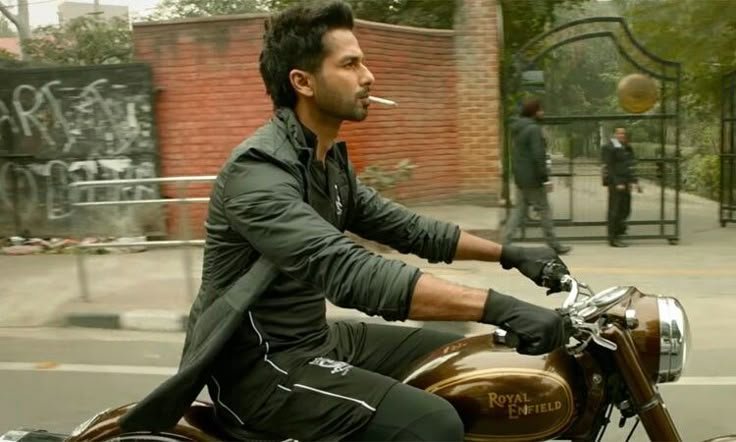
Kabir Singh: When Smoking Became a Personality
Before Animal, there was Kabir Singh, the OG poster boy of toxic cool. Shahid Kapoor’s cigarette wasn’t an accessory; it was his identity. Every frame screamed rebellion, pain, and “don’t tell me what to do.” The smoke became a mood board, the kind of cinematic haze that hides red flags behind aesthetics. What started as a character trait slowly became an industry trend, every angry man since has had to prove his rage with a cigarette in hand.
Animal: Violence with a Puff
In Animal, cigarettes became the new bullets. Ranbir Kapoor’s angry glares and mid-fight drags turned smoking into a symbol of dominance. Every puff felt like punctuation , a pause before chaos. The film didn’t just use cigarettes as props; it glorified them as part of the masculine ritual. The message was loud and smoky: if you’re not lighting one mid-brawl, are you even the “alpha” anymore?
Bads of Bollywood: Bobby Deol and That Beard
Then came Bads of Bollywood, where Bobby Deol turned smoking into high art. His rugged look, that wild beard, and those slow-motion lighting scenes, it all felt like a Renaissance painting with a Marlboro filter. The smoke didn’t just fill the screen, it commanded it. Honestly, the cigarette had its own arc. One could argue it was the second lead. Every frame whispered: it’s not addiction, it’s aesthetic. And that’s exactly the problem, we’ve mistaken vice for vibe.
Dhurandhar: Ranveer Singh Sparks It Up
Now comes Dhurandhar, where Ranveer Singh joins the same smoky club. The teaser builds up to that money shot, no lighter, no matchstick, just a glowing cigarette butt. One flick, and boom, he sets the screen (and himself) on fire. It’s stylish, yes, but also exhausting. At this point, the cigarette isn’t a prop anymore, it’s the plot twist. The filmmakers don’t even try to hide it; they frame the smoke like it’s a part of the dialogue.
Beyond Bollywood: It’s a Pan-India Trend
This romance with smoking isn’t just Hindi cinema’s obsession. Tamil and Telugu stars have been flaunting cigarettes like they’re premium fashion accessories. Perfectly timed puffs, dramatic smoke rings, it’s choreography at this point. Meanwhile, the government disclaimer sits at the bottom in tiny font, whispering the world’s most ignored line, “Smoking causes cancer.” Irony much?
Audience POV: The Real-World Ripple
Here’s where it gets interesting, and a bit alarming. According to studies, exposure to smoking scenes in Bollywood films significantly increases the likelihood of tobacco use among adolescents and young adults. Youth who watch stars light up on screen are more inclined to pick up the habit themselves. It’s no surprise then, that you can spot people riding Royal Enfields early morning, cool helmets, fierce stares, and yes, smoking away, mirroring those cinematic heroes. Probably around 8:30 AM, because nothing says “I’m a badass” like a smoke and ride at dawn.
This isn’t just imagination. Research has shown that Indian adolescents highly exposed to tobacco use in films have more than double the odds of being tobacco users compared to those with low exposure. The glamorization and portrayal of smoking as a symbol of rebellion, masculinity, and allure deeply influence social norms and behavior. So, that smoker on the Royal Enfield? Bollywood likely had something to do with it.
Bollywood’s New Formula
At this point, the checklist is easy:
•Romance? Flowers.
•Action? Guns.
•Style? Forget aviators or six-pack abs. Just give the hero a cigarette and roll the camera in slow motion.
And beneath it all, glowing on every screen, is the irony of the decade, Smoking causes cancer. But up top? Ranbir, Ranveer, Bobby, lighting, puffing, and making it look cinematic enough to trend.
Not Just Black-and-White
It would be unfair, though, to claim that movies alone are responsible for tobacco uptake. Bollywood reflects society as much as it shapes it. Directors might argue they’re capturing “realism”—that for certain characters or backdrops, smoking is simply part of the picture. Some viewers easily separate fiction from reality, even as others absorb the influence more directly. And then there’s the pushback: ongoing calls for stricter censorship, health warnings, and more mindful storytelling.
Where Do We Draw the Line?
The ongoing trend raises important questions: Is Bollywood merely reflecting existing attitudes, or is it actively shaping them? Where does creative freedom end and social responsibility begin? If young audiences are learning what “cool” looks like from movies, does the industry need to rethink what it chooses to glorify?
So, the next time a film hero takes a drag onscreen, ask yourself—who’s really setting the scene? And more importantly, should we care?
So, the next time a film hero takes a drag onscreen, ask yourself—who’s really setting the scene? And more importantly, should we care?